Dr. Wade Banker’s Leadership in Expanding Advanced Diagnostic Imaging
How is leadership influencing the growth of advanced diagnostic imaging in modern healthcare?
Leadership plays a vital role in shaping the direction and quality of diagnostic imaging services across healthcare systems. As medical technology continues to evolve, the need for structured programs, skilled teams, and innovative strategies has become increasingly important. Advanced diagnostic imaging now serves as the foundation for accurate diagnosis and effective treatment planning. Within this expanding field, Dr Wade Banker has demonstrated a strong leadership presence by supporting the growth of imaging capabilities, improving clinical workflows, and promoting the integration of advanced technologies into everyday medical practice.
What defines advanced diagnostic imaging in today’s medical environment?
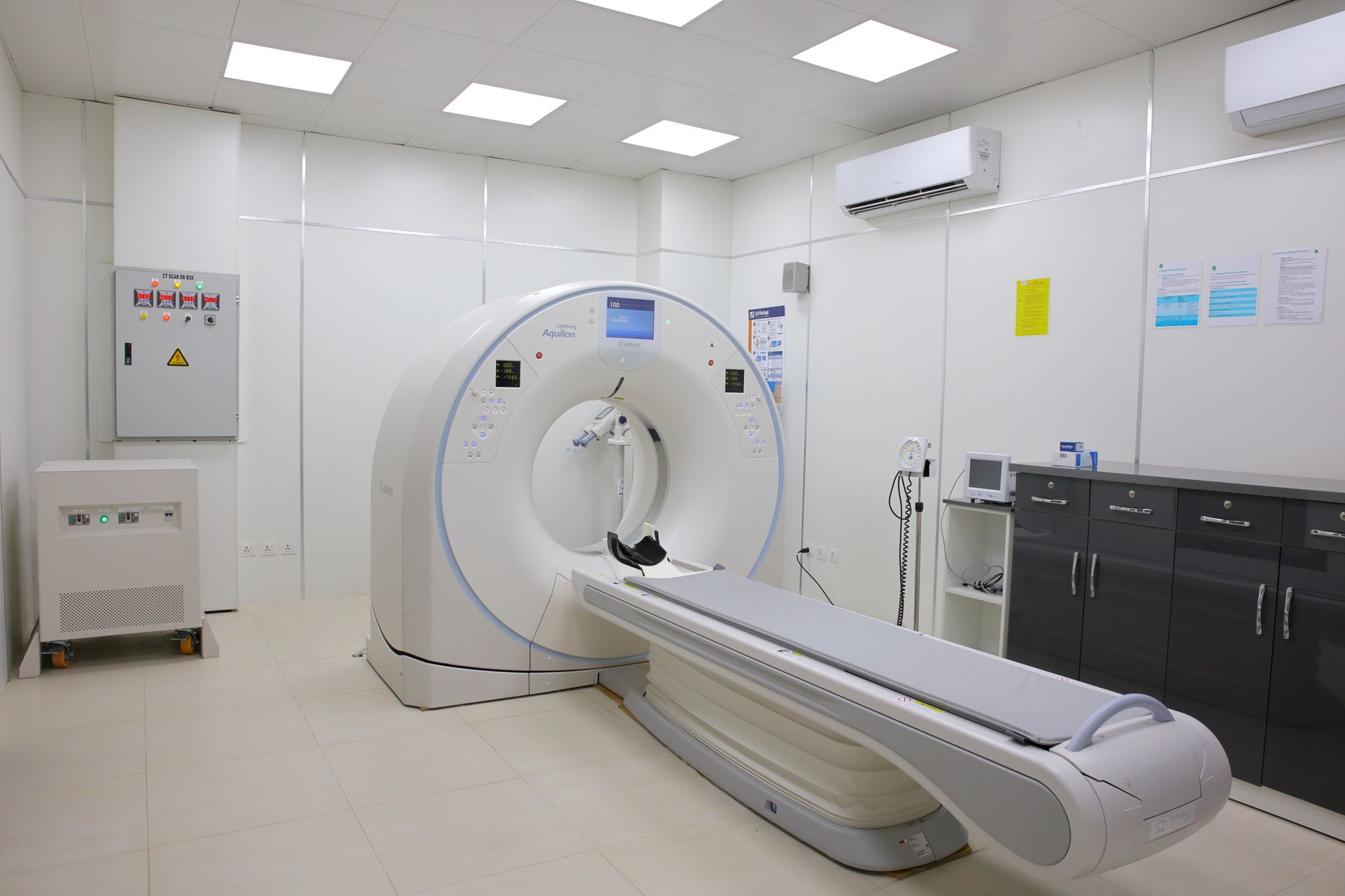
Advanced diagnostic imaging refers to the use of high-precision technologies such as CT scans, MRI, ultrasound, and hybrid imaging systems to detect and evaluate medical conditions. These tools provide detailed internal views of the body, enabling early diagnosis and more accurate treatment planning. The advancement of imaging technology has significantly improved patient outcomes by reducing diagnostic errors and supporting minimally invasive treatment approaches. It also allows healthcare providers to detect conditions at earlier stages, leading to more effective intervention strategies and better long-term health results.
How does leadership contribute to expanding imaging capabilities in healthcare systems?
Leadership in diagnostic imaging involves more than administrative oversight; it requires vision, innovation, and the ability to implement complex clinical systems effectively. Strong leaders develop structured imaging programs, invest in modern equipment, and ensure that medical teams are trained in advanced techniques. They also encourage collaboration between departments to create a seamless diagnostic process. In many institutions, leadership has been the driving force behind the expansion of imaging services, making advanced diagnostic tools more accessible and reliable for patient care.
What role does experience play in enhancing imaging program development?
Experience is essential in building and managing advanced diagnostic imaging programs. Seasoned radiologists understand the technical and clinical challenges associated with imaging interpretation and procedural planning. Their expertise allows them to design efficient workflows, improve diagnostic accuracy, and guide the implementation of new technologies. In this context, Dr Wade Banker Toledo, Oh has contributed significantly to the advancement of imaging programs by combining clinical expertise with strategic leadership. His approach reflects a deep understanding of both patient care needs and system-level improvements in radiology practice.
How does technology support the expansion of diagnostic imaging services?
Technology is the core driver behind the expansion of diagnostic imaging services. Innovations such as high-resolution imaging systems, AI-assisted diagnostics, and real-time imaging guidance have transformed the way medical conditions are identified and treated. These advancements enable faster diagnosis, greater accuracy, and improved patient outcomes. As technology continues to evolve, healthcare systems are increasingly able to deliver more efficient and comprehensive imaging services. This progress also supports the development of minimally invasive procedures that rely heavily on precise imaging guidance.
Why is collaboration important in advanced imaging programs?
Collaboration is essential in ensuring the success of advanced diagnostic imaging programs. Radiologists, technicians, and other medical specialists must work together to ensure accurate image acquisition, interpretation, and application in treatment planning. Multidisciplinary collaboration also helps integrate imaging results into broader patient care strategies. This coordinated approach improves decision-making and ensures that patients receive the most appropriate and timely care possible. It also strengthens the overall efficiency of healthcare delivery systems.
How does advanced imaging leadership impact patient outcomes?
Advanced imaging leadership directly improves patient outcomes by ensuring that diagnostic services are accurate, timely, and accessible. Strong leadership helps reduce delays in diagnosis, minimizes errors, and supports the use of minimally invasive treatment options. Patients benefit from earlier detection of conditions, more precise treatment planning, and improved recovery experiences. As imaging programs continue to evolve under effective leadership, the quality and reliability of patient care continue to improve across healthcare systems.
Conclusion
The expansion of advanced diagnostic imaging continues to transform modern healthcare by improving accuracy, efficiency, and patient outcomes. Leadership, experience, and technological innovation all play essential roles in this progress. The contributions of Dr Wade Banker highlight the importance of guiding imaging programs with vision, expertise, and a strong commitment to advancing patient-centered care in the field of radiology.