Southern Fighting Cattle: Understanding Regional Event Preparations
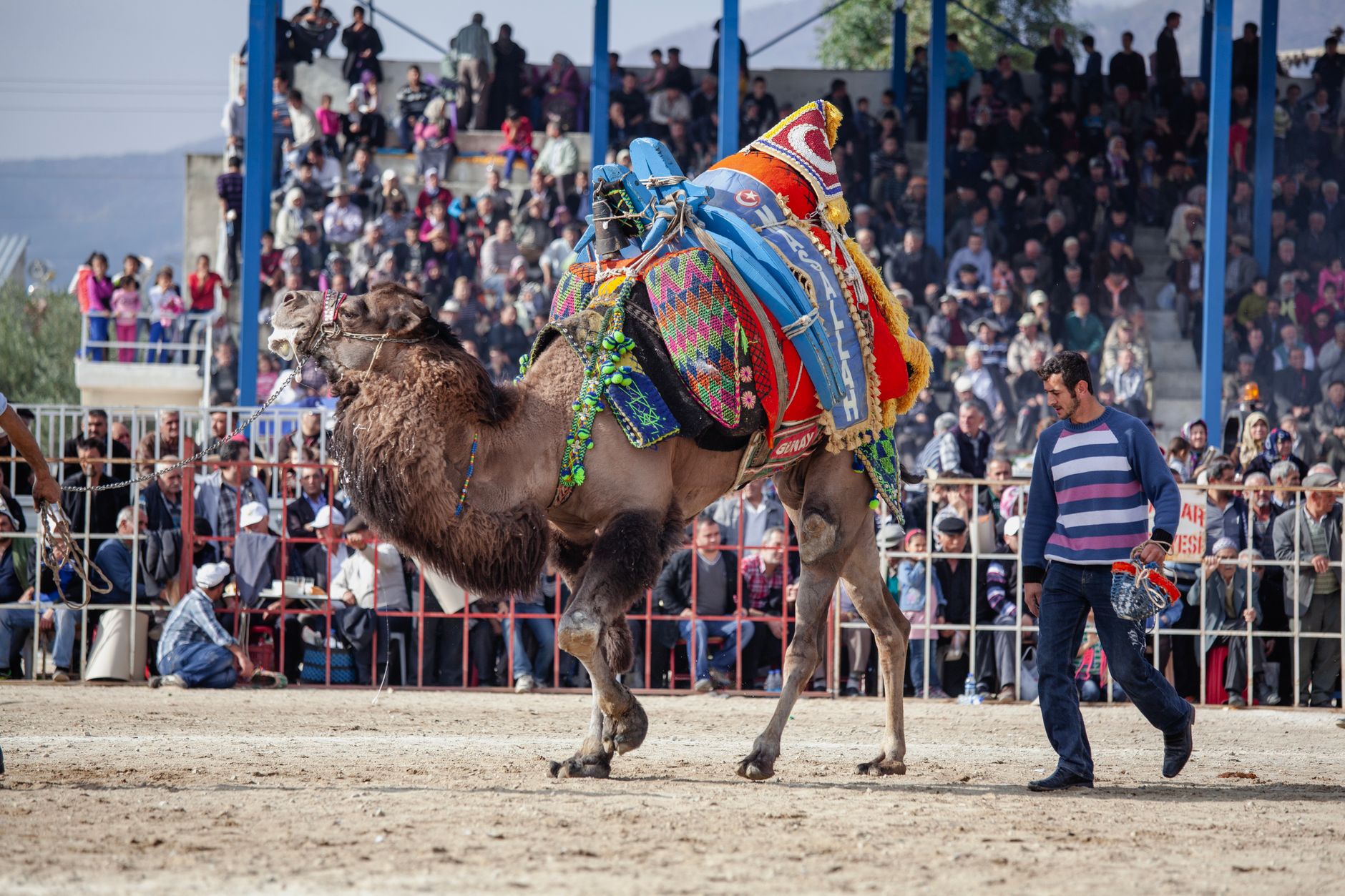
Regional cattle events often reflect local traditions, agricultural knowledge, and community participation. Preparing for these gatherings requires organization, cooperation, and careful attention to livestock welfare. In communities connected with วัวชนแดนใต้.net traditions, preparations may include arranging suitable venues, checking animal health, coordinating participants, and maintaining cultural customs. Responsible planning helps ensure that community activities remain respectful, organized, and safe.
How Do Communities Organize Regional Events?
Event preparation usually begins with selecting an appropriate location and establishing a clear schedule. Organizers consider available space, accessibility, weather conditions, and facilities for visitors and livestock. The venue should provide adequate room, secure boundaries, clean water, shade, and suitable resting areas for animals.
Local participants may help coordinate transportation, announcements, visitor arrangements, and general facilities. Clear responsibilities reduce confusion and allow preparations to progress smoothly. Communication between organizers, livestock owners, and community representatives is especially important when several groups participate.
Why Are Veterinary Checks Important Before Events?
Animal health should be a priority throughout the preparation process. Cattle should receive appropriate veterinary assessments before attending public gatherings. Professionals can identify injuries, signs of illness, mobility problems, and other conditions that may make transportation or participation unsuitable.
Owners should maintain vaccination records and follow appropriate disease-prevention measures. Animals showing signs of discomfort, weakness, or illness should remain in a suitable care environment rather than being exposed to unnecessary activity. Clean transport arrangements also help reduce stress and health risks.
How Can Venues Be Prepared for Livestock?
A suitable venue requires careful attention to hygiene, space, and environmental conditions. Walking surfaces should be stable and free from dangerous obstacles. Clean drinking water must be available, while shaded areas allow cattle to rest during warm weather.
Separate holding areas can help prevent overcrowding and reduce unnecessary contact between unfamiliar animals. Waste should be removed regularly to maintain cleanliness. Organizers should also prepare basic emergency facilities and ensure that trained handlers are available to assist with routine livestock management.
What Role Do Local Traditions Play?
Regional events often preserve stories, agricultural knowledge, and customs shared between generations. Community members may contribute traditional decorations, local food, educational displays, and cultural demonstrations. These activities allow younger generations to understand the importance of livestock in rural life.
Traditions can be celebrated without exposing animals to cruelty or avoidable distress. Educational activities and non-harmful demonstrations offer opportunities to recognize cultural heritage while promoting humane treatment.
How Can Organizers Encourage Responsible Participation?
Clear guidelines help visitors and participants understand acceptable behavior. Organizers should prohibit rough handling, overcrowding, deliberate provocation, and activities that risk animal injury. Veterinary support and trained personnel should remain accessible throughout the gathering.
Successful regional preparations combine thoughtful organization, community cooperation, and responsible livestock management. By placing animal welfare at the center of planning, communities can maintain meaningful traditions while creating safer and more respectful events.
What You Need to Know
- Regional cattle events reflect local traditions, agricultural knowledge, and community participation.
- Event preparation begins with selecting a suitable location and establishing a clear schedule considering space, accessibility, and facilities for visitors and livestock.
- Animal health is prioritized through veterinary assessments to identify any conditions that may affect participation at public gatherings.
- Suitable venues require attention to hygiene, environmental conditions, and adequate facilities to ensure livestock welfare during events.
- Community traditions play a vital role in preserving agricultural knowledge and fostering cultural heritage through educational activities and demonstrations.
- Organizers encourage responsible participation by establishing clear guidelines and ensuring veterinary support is accessible throughout the event.