Thai Takraw House: How Athletes Develop Speed and Flexibility
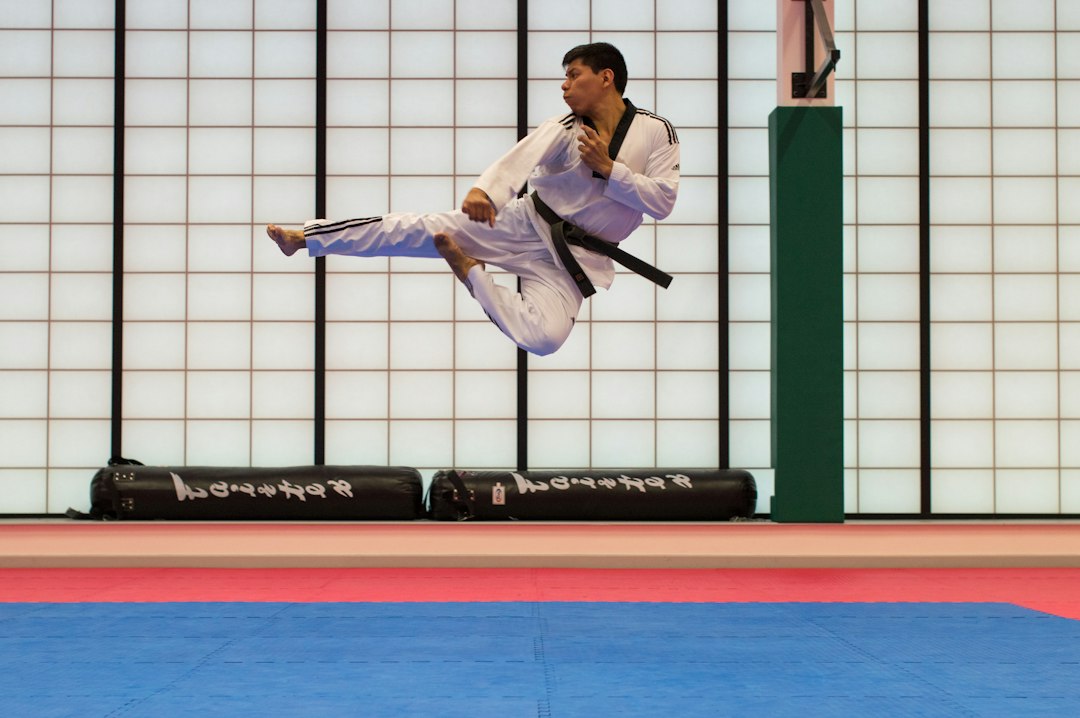
Sepak Takraw requires athletes to move quickly, maintain balance, and perform challenging kicks while controlling the ball. Players need excellent physical conditioning to react to opponents, reach difficult positions, and complete powerful attacks. At บ้านตะกร้อไทย.com, understanding how athletes develop speed and flexibility helps explain the physical preparation behind successful performances. These abilities are built through consistent training, proper technique, and disciplined practice.
Why Are Speed and Flexibility Important in Takraw?
Speed allows players to respond quickly when the ball travels across the court. Fast movement helps them reach difficult passes, defend against powerful attacks, and position themselves for effective strikes. Quick reactions are especially important because rallies can change direction within seconds.
Flexibility allows athletes to move their legs and bodies through a wider range of motion. It supports high kicks, jumping movements, and controlled defensive actions. Flexible muscles and joints can also help athletes maintain better movement quality during demanding matches.
How Do Athletes Improve Their Speed?
Speed development begins with exercises that improve acceleration, footwork, and reaction time. Short-distance sprints help players move quickly from one position to another. Ladder drills and cone exercises develop coordination and encourage faster changes of direction.
Athletes also practice responding to visual signals or ball movements. These exercises help them recognize situations and react without unnecessary delays.
Regular court practice is equally important. Moving between defensive and attacking positions allows players to apply speed training to realistic match situations.
What Training Methods Help Improve Flexibility?
Flexibility training usually includes controlled stretching and mobility exercises. Dynamic movements, such as leg swings and walking lunges, prepare muscles for physical activity. Static stretches can be included after training to help maintain comfortable movement ranges.
Takraw players often focus on their hips, hamstrings, quadriceps, calves, and lower back. These areas support kicking, jumping, and bending movements.
Stretching should be gradual and controlled. Athletes should avoid forcing their bodies into uncomfortable positions, as this can increase the risk of injury.
How Does Strength Training Support Athletic Movement?
Strong muscles help players accelerate, jump, and maintain stability. Squats, lunges, calf raises, and core exercises can improve the strength needed for demanding court movements.
Balance exercises also help athletes remain controlled when landing or changing direction. Combining strength and flexibility training creates a more complete physical foundation.
How Can Athletes Recover After Training?
Recovery is an essential part of athletic development. Adequate sleep, hydration, balanced meals, and rest days help the body adapt to regular exercise. Athletes should also increase training intensity gradually and pay attention to signs of excessive fatigue.
Conclusion
Speed and flexibility are essential qualities for Sepak Takraw athletes. Through sprinting, footwork drills, stretching, strength exercises, and proper recovery, players can improve their physical abilities. Consistent preparation helps them move confidently, respond quickly, and perform demanding techniques more effectively.
What You Need to Know
- Sepak Takraw requires athletes to move quickly, maintain balance, and perform challenging kicks while controlling the ball.
- Players develop speed and flexibility through consistent training, proper technique, and disciplined practice.
- Speed development involves exercises that improve acceleration, footwork, and reaction time, including short-distance sprints and ladder drills.
- Flexibility training for Takraw athletes includes controlled stretching and mobility exercises that focus on key muscle groups like hips and hamstrings.
- Strength training, including exercises like squats and lunges, supports necessary athletic movement by enhancing acceleration and stability.
- Adequate recovery through sleep, hydration, and rest days is crucial for athletes to adapt to regular exercise and avoid excessive fatigue.