Troubleshooting: Why Don’T My Alarms Wake Me Up
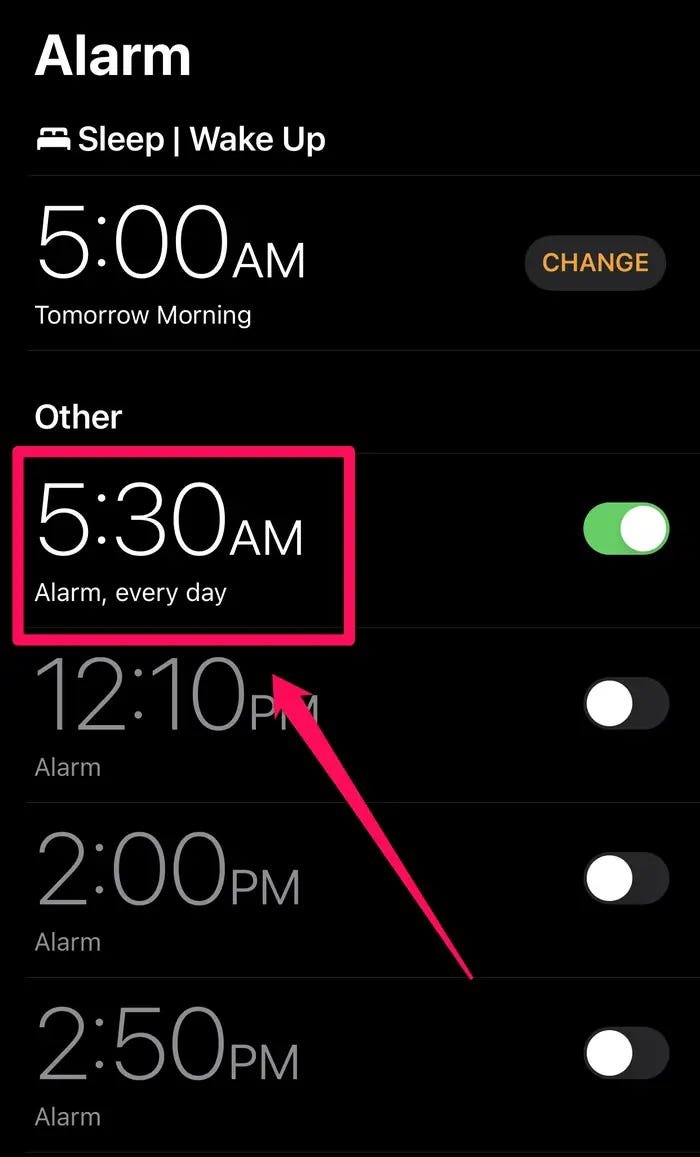
Alarms blare, yet you remain undisturbed—a frustrating scenario many can relate to. The reason why your alarms don’t wake you up might not be as simple as hitting snooze repeatedly. Understanding your sleep cycles and finding the right alarm tone could hold the key. Don’t dismiss the possibility of underlying issues affecting your ability to rise with the sound of your alarm. Let’s delve into the science behind why don’t my alarms wake me up and explore practical solutions for a more effective wake-up call.

Why Don’t My Alarms Wake Me Up: Exploring the Science Behind Sleep Patterns and Alarm Clocks
Welcome, dear readers! Have you ever found yourself wondering why your alarms just don’t seem to do the trick in waking you up in the morning? You’re not alone! In this article, we’re going to delve into the fascinating world of sleep patterns and alarm clocks to uncover the reasons behind this common struggle. So, grab your favorite blanket and let’s dive in!
The Importance of Understanding Sleep Patterns
Before we unravel the mystery of why alarms fail to wake us up at times, let’s first discuss the concept of sleep patterns. Our bodies follow a natural rhythm known as the circadian rhythm, which dictates when we feel sleepy and when we feel awake. This rhythm is influenced by factors such as exposure to light, eating habits, and daily routines.
The Role of Circadian Rhythm in Waking Up
When our alarms go off in the morning, they are essentially trying to interrupt our sleep cycle to rouse us from slumber. However, if the alarm goes off at a time when our bodies are in a deep sleep or REM (rapid eye movement) stage, it may not be as effective in waking us up. This is because our bodies are naturally resistant to waking up during these stages of sleep.
Understanding Sleep Stages
Our sleep is divided into different stages, ranging from light sleep to deep sleep and REM sleep. The deep sleep stage is when our bodies are at their most restorative, making it harder to wake up during this phase. If your alarm goes off during deep sleep, you may find yourself hitting the snooze button without even realizing it!
The Influence of Alarm Clock Types on Waking Up
Not all alarm clocks are created equal when it comes to waking us up effectively. The type of alarm clock you use can play a significant role in how well it rouses you from your slumber. Let’s explore some common types of alarm clocks and their impact on waking you up:
Traditional Alarm Clocks
Traditional alarm clocks, the ones with the loud, jarring sounds, are designed to shock you awake from sleep. While these alarms may be effective for some people, others may find them too harsh and end up hitting the snooze button repeatedly. If you’re someone who prefers a gentler wake-up call, a traditional alarm clock may not be the best option for you.
Nature Sounds or Light Alarms
On the other end of the spectrum, nature sounds or light alarms mimic the natural waking process, gradually easing you out of sleep. These types of alarms can be more soothing and may help you wake up feeling more refreshed. However, they may not be loud or persistent enough to wake up heavy sleepers or those in deep slumber.
Tips for Waking Up Refreshed and Alert
Now that we’ve shed some light on why alarms may not always wake us up, let’s explore some tips for ensuring you wake up feeling refreshed and ready to tackle the day:
Establish a Consistent Sleep Schedule
One of the best ways to regulate your sleep patterns is by maintaining a consistent sleep schedule. Try to go to bed and wake up at the same time every day, even on weekends. This helps your body establish a routine, making it easier to wake up naturally without relying heavily on alarms.
Create a Relaxing Bedtime Routine
Creating a relaxing bedtime routine can signal to your body that it’s time to wind down and prepare for sleep. Whether it’s reading a book, taking a warm bath, or practicing deep breathing exercises, find activities that help you relax and unwind before bedtime.
Avoid Stimulants Before Bed
Stimulants such as caffeine, nicotine, and screen time can disrupt your sleep patterns and make it harder to fall asleep. Try to avoid these stimulants at least an hour before bedtime to ensure a restful night’s sleep.
Invest in a Quality Mattress and Pillows
Your sleep environment plays a crucial role in the quality of your sleep. Invest in a comfortable mattress and pillows that support your body and promote restful sleep. A cozy, inviting bed can make it easier to fall asleep and wake up feeling rejuvenated.
So, the next time you find yourself wondering why your alarms don’t wake you up, remember that your sleep patterns and choice of alarm clock may be the key factors at play. By understanding your body’s natural rhythm and making adjustments to your sleep routine, you can improve your chances of waking up feeling refreshed and alert each morning. Here’s to restful nights and energizing mornings ahead!
Thank you for joining us on this enlightening journey into the world of sleep patterns and alarm clocks. We hope you found this article both informative and enjoyable. Until next time, sweet dreams and happy waking!
Iphone Alarms ARENT GOING OFF
Frequently Asked Questions
Why are my alarms not waking me up?
There are several reasons why your alarms may not be waking you up. One common reason is that the volume on your alarm may be too low or the sound may not be loud enough. Make sure to set a loud and attention-grabbing sound for your alarms. Additionally, if you are a deep sleeper, you may need a more aggressive alarm or multiple alarms set at different intervals to ensure you wake up.
How does the snooze button affect my ability to wake up to alarms?
Using the snooze button excessively can disrupt your sleep cycle and make it harder for you to wake up to alarms. When you hit snooze, you start a new sleep cycle that you may not complete before the alarm goes off again, causing grogginess and making it harder to wake up. Try to resist the urge to snooze and get out of bed when your alarm first goes off.
What role does my sleep quality play in being able to wake up to alarms?
Poor sleep quality can impact your ability to wake up to alarms. If you are not getting enough restful sleep, you may feel groggy and disoriented when your alarm goes off. This can make it difficult to wake up and get out of bed. Establishing a consistent sleep schedule, creating a relaxing bedtime routine, and ensuring your sleep environment is conducive to rest can all improve your sleep quality and make it easier to wake up to alarms.
Final Thoughts
In conclusion, alarms may not wake you up due to habituation, insufficient volume, or sleep inertia. Habituation occurs when your brain becomes used to the alarm sound. Low volume alarms fail to rouse deep sleepers. Sleep inertia can make you feel groggy upon waking. To ensure your alarms wake you up effectively, try changing the sound, increasing the volume, or placing the alarm across the room. Understanding the reasons behind “why don’t my alarms wake me up” can help you establish a more effective wake-up routine.