A Professional Guide to Cannabis Hash Composition and Tradition
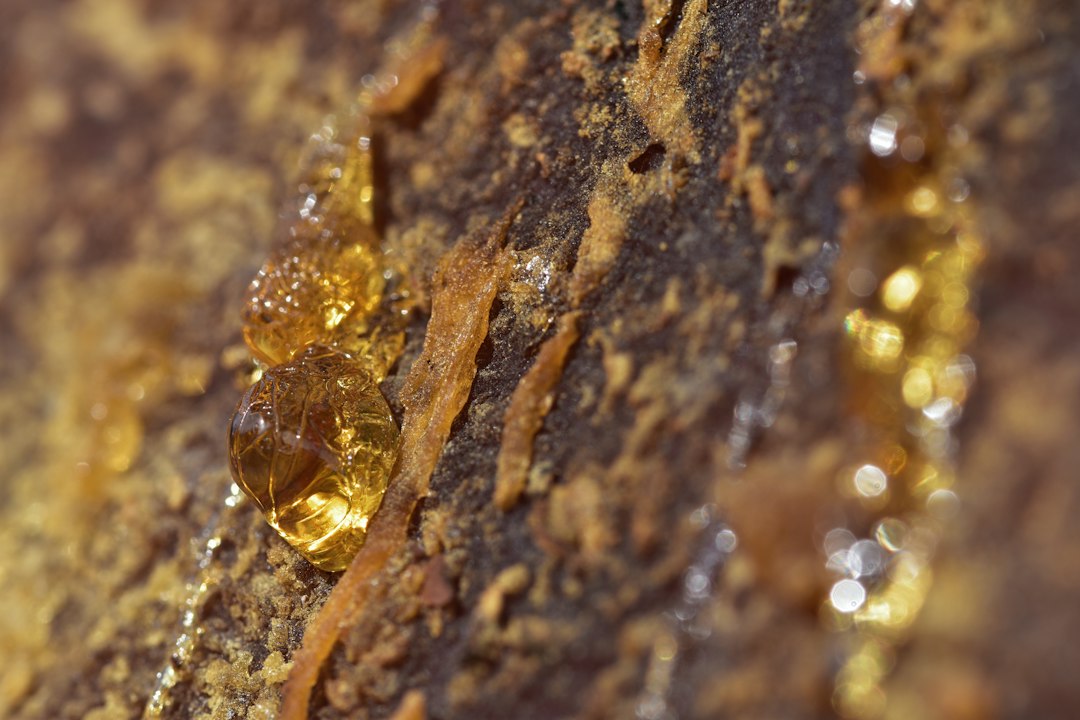
What makes traditional hash scientifically and culturally distinctive? Thc hash is commonly used to describe a concentrated cannabis preparation associated with resin-rich plant material. Its composition can include cannabinoids, terpenes, and other naturally occurring botanical compounds. Historical practices surrounding hash also differ considerably across regions, making the subject relevant to both cannabis science and cultural history.
Contents
- How Is Hash Related to the Cannabis Plant?
- What Is THC?
- Are Other Cannabinoids Present?
- What Are Terpenes?
- Why Does Resin Matter?
- What Makes Traditional Production Historically Significant?
- Are Traditional Methods Identical Everywhere?
- Can Storage Change Hash Characteristics?
- Why Is Laboratory Analysis Valuable?
- What Does the Future Hold for Hash Research?
- What Should Readers Take Away?
How Is Hash Related to the Cannabis Plant?
Hash originates from cannabis resin rather than simply being dried flower. Resin-producing structures occur naturally on cannabis flowers and contain many compounds associated with the plant’s characteristic effects and aroma.
What Is THC?
THC, or tetrahydrocannabinol, is one of the principal cannabinoids found in cannabis. It is particularly known for its psychoactive properties. The presence of THC is one reason resin-based cannabis preparations can differ significantly from ordinary botanical products.
Are Other Cannabinoids Present?
Yes. Cannabis contains multiple cannabinoids, and their presence can vary according to genetics and growing conditions. The overall chemical profile of a preparation is therefore more complex than a single compound.
What Are Terpenes?
Terpenes are naturally occurring aromatic compounds. Cannabis plants can contain many different terpene profiles, contributing to differences in fragrance and flavor. These compounds are also found in numerous other plants, fruits, and herbs.
Why Does Resin Matter?
Resin contains a concentrated collection of compounds produced by the cannabis plant. The density and characteristics of resin can influence the physical qualities of traditional preparations. This is why resin-producing plant structures are central to discussions about hash.
What Makes Traditional Production Historically Significant?
Traditional hash-making practices developed within communities that cultivated cannabis for generations. Local knowledge, agricultural customs, environmental conditions, and cultural preferences influenced how resin-based products were historically prepared and described.
Are Traditional Methods Identical Everywhere?
No. Historical traditions differ from one region to another. Differences in climate, plant varieties, cultural practices, and storage environments contributed to distinct regional characteristics. Treating all traditional hash as identical overlooks this important diversity.
Can Storage Change Hash Characteristics?
Storage can influence texture, aroma, and the preservation of volatile compounds. Environmental factors such as heat, light, moisture, and air exposure can affect cannabis materials over time. This is one reason historical descriptions may not perfectly match modern products.
Why Is Laboratory Analysis Valuable?
Laboratory testing can identify cannabinoids and other chemical characteristics more accurately than visual inspection. It provides objective information that can be particularly useful when consumers or researchers need to understand composition.
What Does the Future Hold for Hash Research?
Scientific interest in cannabis continues to expand, particularly around cannabinoids, terpenes, genetics, and historical plant use. Greater research can help distinguish traditional descriptions from measurable chemical characteristics.
What Should Readers Take Away?
Traditional hash is not defined by a single appearance or chemical profile. It represents a broad category of resin-based cannabis preparations influenced by plant genetics, regional traditions, environmental factors, and storage. A professional understanding therefore combines historical knowledge with modern botanical and chemical research.
What You Need to Know
- Traditional hash is a concentrated cannabis preparation associated with resin-rich plant material and includes cannabinoids, terpenes, and other botanical compounds.
- Hash originates from cannabis resin, which occurs naturally on cannabis flowers and contains compounds responsible for the plant’s effects and aroma.
- THC, or tetrahydrocannabinol, is a principal cannabinoid found in cannabis, known for its psychoactive properties, influencing the qualities of resin-based cannabis preparations.
- Terpenes are aromatic compounds found in cannabis that contribute to differences in fragrance and flavor and are also present in other plants.
- Traditional hash-making practices vary significantly by region, influenced by local knowledge, agricultural customs, and environmental conditions, highlighting the diversity of traditional hash.
- Laboratory analysis of hash can provide accurate identification of cannabinoids and other chemical characteristics, helping to distinguish between traditional descriptions and measurable traits.