BRICS Inclusive World Order: Proven Steps for a Better Future
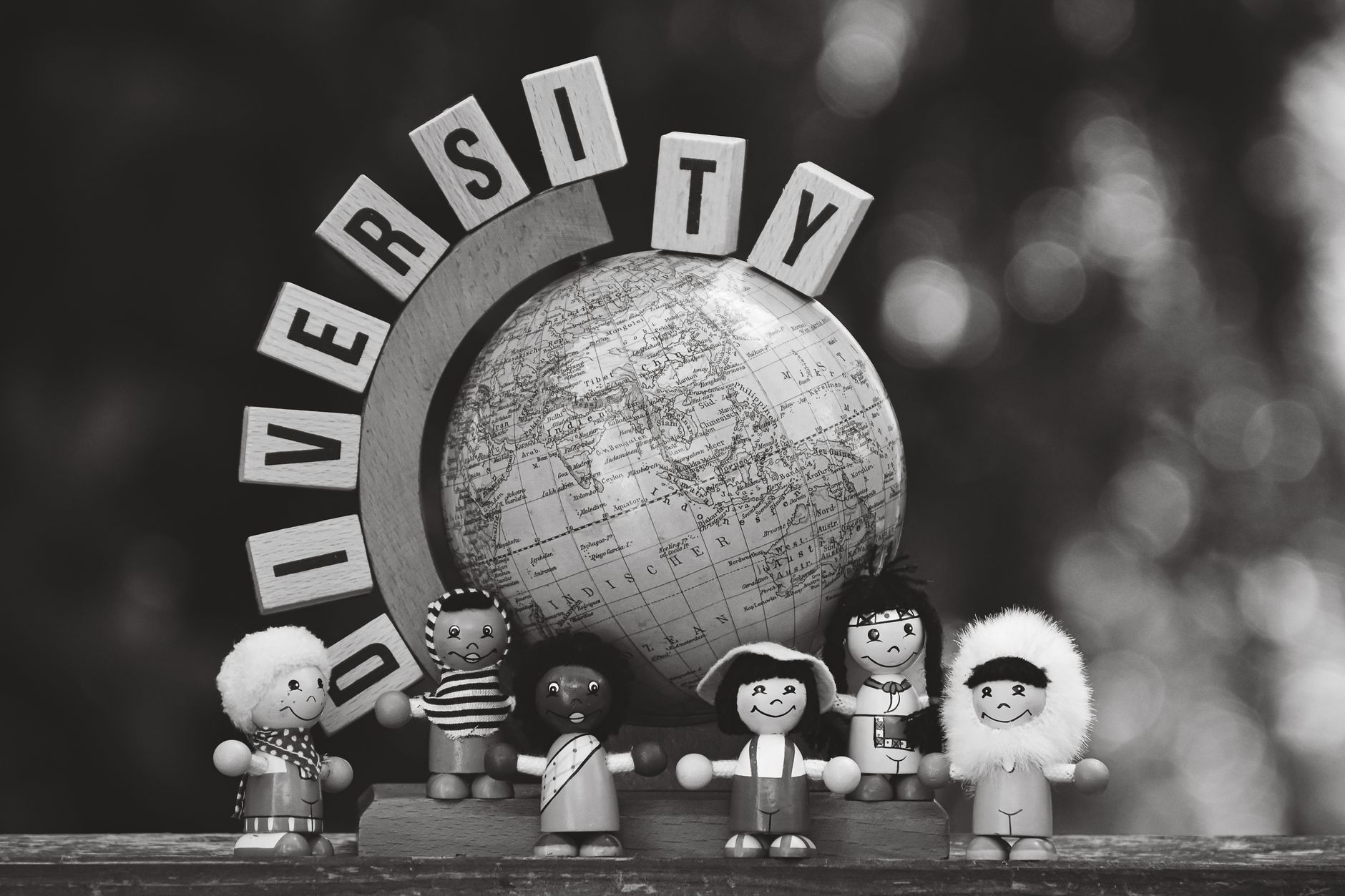
BRICS inclusive world order is a key focus for PM Modi as he emphasizes collaboration to foster a more equitable global environment.
Introduction to BRICS
The BRICS nations, comprising Brazil, Russia, India, China, and South Africa, have emerged as a significant force in global governance. With India currently holding the chairmanship, Prime Minister Modi emphasized the bloc’s commitment to fostering a BRICS inclusive world order that prioritizes cooperation and mutual respect among diverse nations.
This collaboration aims to address pressing global challenges, including economic disparities, climate change, and security concerns. By promoting a multipolar world, BRICS seeks to ensure that the voices of developing countries are heard and considered in international decision-making processes.
The upcoming initiatives under India’s leadership are expected to focus on:
- Strengthening economic ties
- Enhancing technological cooperation
- Encouraging sustainable development
- Promoting peace and security
Through these efforts, BRICS aims to create a more equitable global framework that benefits all nations.
PM Modi’s Vision for Inclusivity
In his recent address, Prime Minister Modi emphasized the importance of fostering an inclusive world order through the BRICS coalition. He articulated a vision where cooperation among member nations is paramount in addressing global challenges. Modi stated that the collective strength of BRICS can pave the way for a future that prioritizes equitable growth and development.
- Collaboration: Modi highlighted the need for collaborative efforts among BRICS countries to tackle issues such as poverty, climate change, and economic disparities.
- Empowerment: He called for empowering all member nations, ensuring that smaller economies have a voice in global matters.
- Innovation: Emphasizing technological advancement, Modi urged BRICS to lead in innovative solutions that promote sustainability.
By focusing on these key areas, BRICS aims to establish a more inclusive world order, enhancing the collective resilience and prosperity of its member states.
Impact of India’s Chairmanship
The impact of India’s chairmanship in BRICS has been significant, steering the group towards a more inclusive world order. Under the leadership of Prime Minister Modi, BRICS nations have united to address pressing global challenges, emphasizing collaboration and mutual respect.
One major focus has been on enhancing economic cooperation among member states. This includes:
- Trade Facilitation: Streamlining trade processes to bolster economic ties.
- Investment Initiatives: Promoting joint ventures and investments in critical sectors.
- Technology Sharing: Encouraging the exchange of innovations to drive sustainable development.
Moreover, India’s emphasis on inclusivity extends beyond economics. By fostering dialogues on social issues and cultural exchanges, BRICS aims to create a platform where diverse voices contribute to decision-making. This approach not only strengthens alliances but also paves the way for a more balanced and inclusive world order.
Challenges Facing BRICS
The BRICS nations, while striving for an inclusive world order, face several challenges that could hinder their progress.
- Economic Disparities: The diverse economic landscapes of BRICS countries can create friction in policy-making and cooperation.
- Political Differences: Variations in governance and political ideologies among member states may lead to conflicting interests.
- Global Competition: The rise of other global powers poses a challenge to BRICS’ influence and its goal of fostering a multipolar world.
- Coordination Issues: Effective collaboration is often hampered by logistical and bureaucratic hurdles that slow down decision-making.
- Environmental Concerns: Addressing climate change while fostering economic growth remains a significant challenge for these nations.
Despite these hurdles, the commitment to an inclusive world order remains strong, as BRICS seeks to unite their efforts for a better future.
Global Reactions to BRICS Initiatives
The announcement of the BRICS inclusive world order has sparked a variety of reactions across the globe. Many leaders express optimism about the potential for increased collaboration among member nations. President Cyril Ramaphosa of South Africa emphasized the importance of unity, stating that an inclusive world order can drive economic growth and stability.
Meanwhile, Chinese officials have highlighted the significance of BRICS in promoting multipolarity, suggesting that this new approach can counterbalance Western dominance in global affairs.
However, not all responses have been positive. Some analysts warn that the shift towards a more inclusive world order might face resistance from established powers that perceive it as a threat to their influence.
Overall, the global community watches closely as BRICS initiatives unfold, assessing their potential to reshape international relations and foster a more equitable world.
Future Prospects for BRICS
The future prospects for BRICS appear promising as the bloc continues to advocate for a more inclusive world order. With member nations collaborating on various fronts, there is a strong emphasis on shared economic growth and mutual respect among diverse cultures.
In the coming years, BRICS is expected to:
- Enhance Economic Cooperation: By leveraging each member’s strengths, BRICS aims to foster trade partnerships that benefit all nations involved.
- Expand Political Engagement: The bloc will likely work towards strengthening its influence in global governance, ensuring that the voices of developing countries are heard.
- Promote Sustainable Development: Initiatives focusing on environmental sustainability and social equity will be prioritized to address the pressing challenges of our time.
As BRICS continues to evolve, its commitment to creating a more inclusive world order will be a defining factor in shaping a better future for all member countries.
Conclusion and Key Takeaways
In conclusion, the BRICS inclusive world order represents a significant shift in global dynamics, emphasizing the importance of collaboration among emerging economies. As highlighted throughout this discussion, India’s leadership has been pivotal in steering BRICS towards a more cohesive and inclusive approach. The concerted efforts of member nations to address pressing global issues, such as economic inequality and climate change, mark a crucial step forward.
Key takeaways from this initiative include:
- Strengthened Cooperation: Enhanced collaboration among BRICS nations fosters mutual growth and stability.
- Inclusive Development: Focus on policies that prioritize the needs of marginalized communities.
- Global Influence: BRICS is poised to challenge traditional power structures and advocate for a multipolar world.
- Commitment to Sustainability: An emphasis on environmentally friendly practices is essential for long-term progress.
As BRICS continues to evolve, its commitment to an inclusive world order will be vital in shaping a brighter future for all nations involved.
The BRICS inclusive world order emphasizes collaboration among emerging economies to create a more equitable global landscape. By implementing proven steps for a better future, member nations can strengthen their influence and foster sustainable development.
Photo by Alexas Fotos on Pexels