Micro Roni: A Statistical Guide to Design, Compatibility, and Product Features
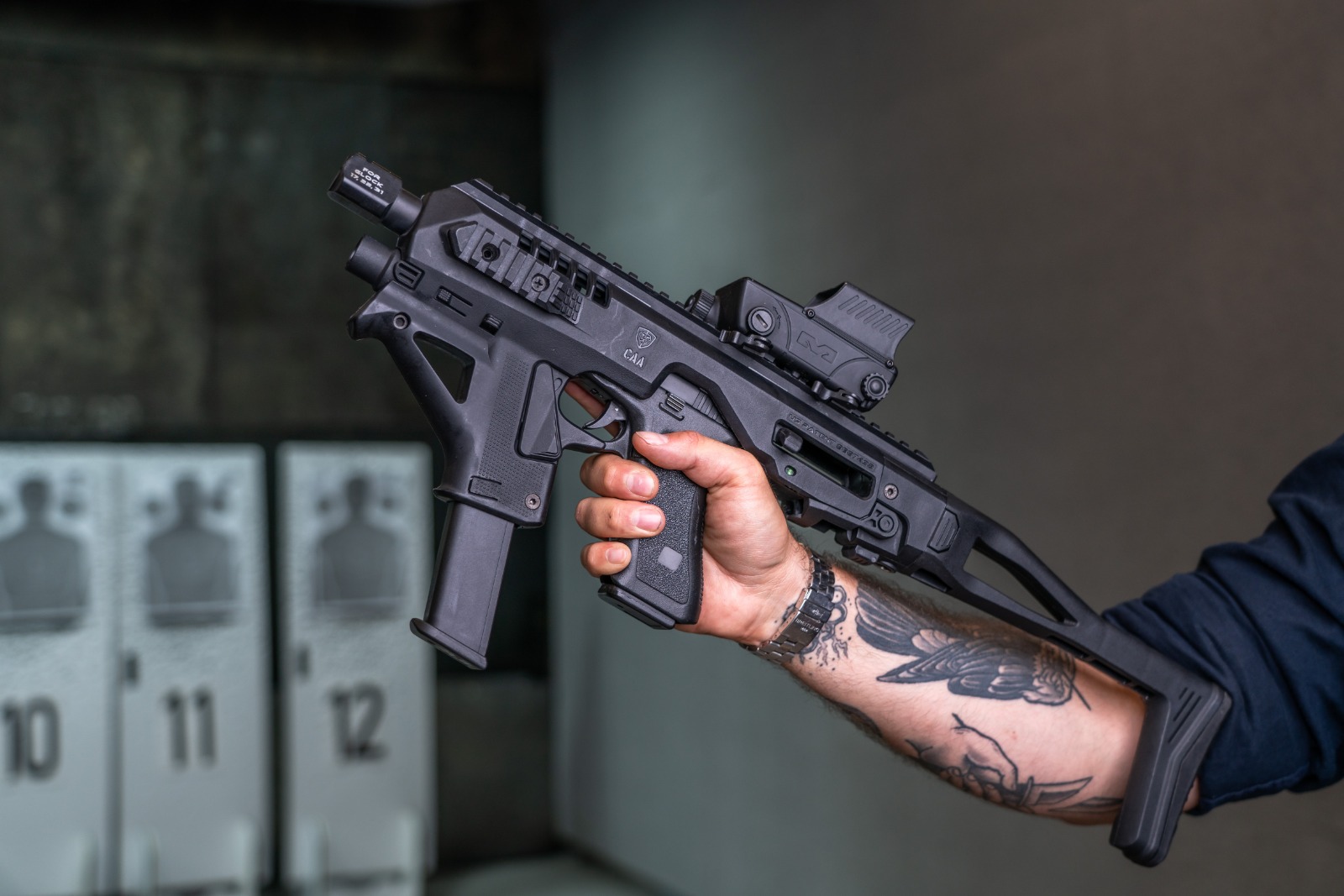
What makes compact firearm conversion platforms an important subject in modern product design? Their appeal is closely connected to space efficiency, component organization, material selection, and clearly defined compatibility requirements. The micro roni is associated with a compact platform-conversion category in which design specifications and product configuration play important roles. Understanding this product category through measurable characteristics provides a professional perspective on construction quality, product documentation, and the factors that contribute to an informed evaluation.
What Defines the Micro Roni Platform?
The Micro Roni is a chassis-style conversion product designed around a compatible handgun platform. Its specific features depend on the model and configuration, making manufacturer documentation an important part of understanding its design.
From an engineering perspective, a conversion platform can be examined through its physical dimensions, materials, component interfaces, and overall construction. These characteristics help describe how a product is organized and distinguish one configuration from another.
Product names alone do not establish universal compatibility. Exact model specifications provide the necessary context for understanding the intended application and supported configurations.
Why Is Compact Design an Important Metric?
Compact design is commonly evaluated through measurements such as length, width, height, and total weight. These metrics provide a consistent basis for describing a product’s physical footprint.
In product analysis, dimensional efficiency refers to how a design uses available space in relation to its intended function. This concept appears in consumer electronics, industrial equipment, transportation products, and specialized accessories.
Three indicators are particularly useful when comparing compact products:
- Overall dimensions: Describe the external space occupied by the product.Product weight: Establishes a measurable reference for portability.Component layout: Helps explain how the design organizes its individual elements.
- Overall dimensions: Describe the external space occupied by the product.
- Product weight: Establishes a measurable reference for portability.
- Component layout: Helps explain how the design organizes its individual elements.
These measurements should be interpreted together. A smaller exterior does not automatically indicate better overall design, while a lower weight does not independently establish material quality or durability.
Which Materials Influence Construction Quality?
Material selection affects the weight, rigidity, surface characteristics, and manufacturing requirements of a chassis-style product. Depending on the specific design, manufacturers may use engineered polymers, metal alloys, or combinations of different materials.
Polymers can support molded shapes and lightweight construction. Metal alloys can provide rigidity and precision-machined surfaces in suitable applications. The characteristics of any finished component depend on its material grade, manufacturing process, and design specifications.
A professional evaluation therefore looks beyond broad material labels. Published composition details, surface-finish descriptions, and quality-control information offer a more useful understanding of construction.
How Does Manufacturing Precision Contribute to Consistency?
Manufacturing precision is a central consideration for products built around defined component interfaces. Consistent dimensions and repeatable production processes help manufacturers maintain stated specifications.
Several quality indicators can be considered when reviewing product documentation. Measurement tolerances describe permitted dimensional variation, material specifications identify construction requirements, and inspection procedures explain how manufacturing consistency is assessed.
These indicators are most valuable when they are documented clearly. Without verified figures, general descriptions such as precision-engineered should be understood as descriptive language rather than a measurable performance result.
What Should Buyers Know About Compatibility?
Compatibility depends on the exact handgun model, product version, and manufacturer-defined requirements. Two products that appear similar may have different dimensions or interfaces.
A careful review begins with the exact model designation and the specifications provided for the conversion platform. Published compatibility information should identify supported configurations and explain any relevant limitations.
This process illustrates an important principle in product evaluation: verified compatibility is more meaningful than visual similarity. Clear documentation allows readers to distinguish between a general product description and a confirmed compatibility statement.
For firearm-related equipment, installation, inspection, and use should follow manufacturer instructions and applicable laws.
Which Statistics Help Compare Product Specifications?
Statistical analysis makes product comparisons more structured by organizing measurable information into consistent categories.
Useful metrics include overall dimensions, published weight, material composition, warranty duration, and the number of configurations identified in a product range. Each metric offers a different perspective and should be interpreted according to its purpose.
For example, warranty duration describes the stated period of coverage under specific conditions. It does not independently establish product lifespan. Likewise, the number of available configurations indicates product variety rather than overall quality.
A meaningful comparison uses the same units, equivalent product categories, and verified data. This method improves clarity while avoiding unsupported conclusions.
How Does Product Documentation Improve Understanding?
Clear documentation connects a product’s physical design with its intended application. Detailed specifications can identify dimensions, materials, supported models, included components, and relevant care requirements.
Photographs can help readers recognize a product’s external features, while written specifications provide the technical context necessary for accurate evaluation. Both forms of information serve complementary purposes.
Well-organized documentation also makes it easier to identify questions that require manufacturer clarification. This is particularly useful when product ranges include multiple versions or configuration-specific requirements.
What Role Does Maintenance Play in Product Care?
Maintenance requirements depend on the materials, construction, and intended purpose of the individual product. Following manufacturer-approved instructions helps support appropriate care and inspection.
Visual checks can help identify changes such as surface deterioration, damaged components, or signs of wear. Firearm-related equipment should be handled under established safety procedures, with inspection and maintenance conducted according to manufacturer guidance. A qualified professional can address concerns involving component condition or compatibility.
Conclusion
The Micro Roni product category can be understood through a combination of engineering principles and measurable product characteristics. Compact dimensions, material selection, manufacturing precision, compatibility documentation, and maintenance requirements all contribute to a comprehensive evaluation. A statistics-based approach helps organize these details into clear comparisons while distinguishing verified specifications from general descriptions. By focusing on documented information and responsible equipment care, readers can develop a professional understanding of chassis-style conversion products and their defining design considerations.
Bottom of Form