Troubleshooting: Why Is My Vacuum Sealer Not Vacuuming
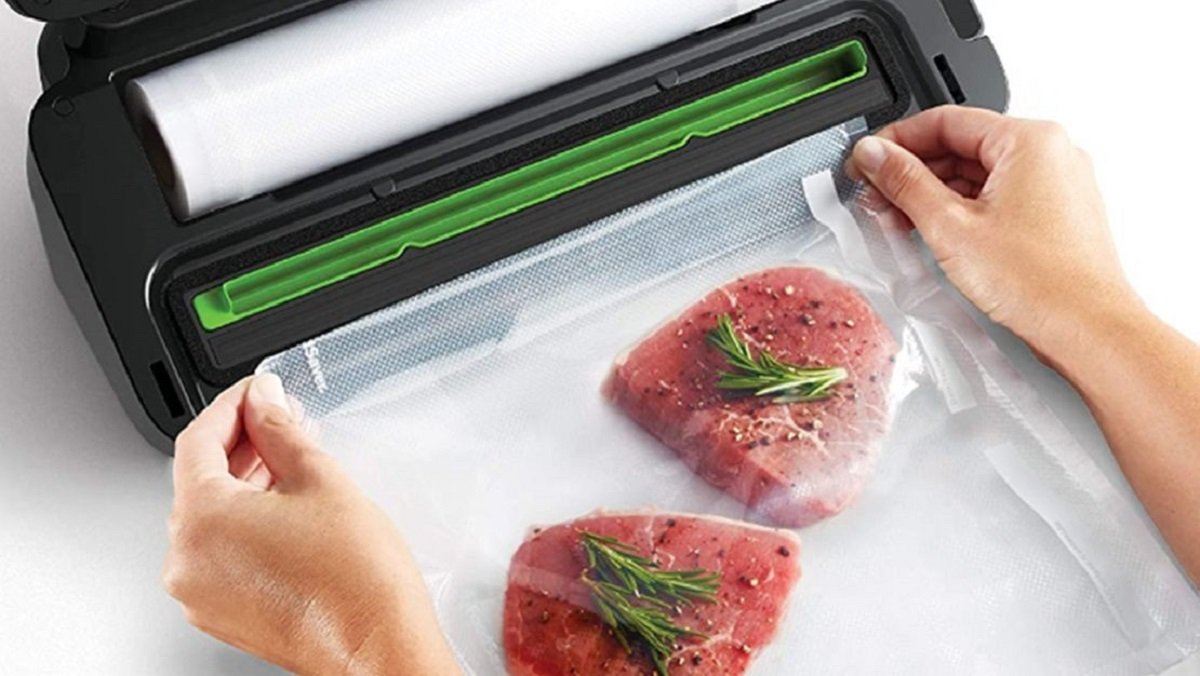
Your vacuum sealer may not be vacuuming due to a simple fix: the sealing strip might be dirty. Give it a wipe down and try again. If the issue persists, it could be a sign of a deeper mechanical problem. Check the vacuum channel for any obstructions that may be hindering the suction process. Taking these initial steps can often resolve the “why is my vacuum sealer not vacuuming” dilemma without needing professional assistance.

Why Is My Vacuum Sealer Not Vacuuming?
So, you’ve got your favorite foods ready to seal and store for later, but uh-oh, your vacuum sealer is not doing its job. Don’t worry, you’re not alone! It can be frustrating when your trusty kitchen appliance doesn’t work as expected. In this blog post, we’ll dive into the common reasons why your vacuum sealer may not be vacuuming properly and give you some tips on how to troubleshoot and fix the issue. Let’s get started!
Check the Seal Bar
One of the first things to look at when your vacuum sealer is not vacuuming is the seal bar. The seal bar is responsible for creating an airtight seal on your food bags, allowing the vacuum sealer to remove the air effectively. If the seal bar is dirty or damaged, it may not be able to create a proper seal, leading to air leakage during the vacuuming process.
To check the seal bar, make sure it is clean and free of any debris. You can use a damp cloth to wipe it down and remove any buildup that may be affecting its performance. If the seal bar is damaged, you may need to replace it to ensure your vacuum sealer functions properly.
Inspect the Vacuum Chamber
Another common reason why your vacuum sealer may not be vacuuming is a malfunction in the vacuum chamber. The vacuum chamber is where the air is removed from the food bags, creating a vacuum seal. If there is a leak or blockage in the vacuum chamber, it can prevent the vacuum sealer from removing the air effectively.
Check the vacuum chamber for any visible signs of damage or blockages. You can also try cleaning the chamber with a mild detergent to remove any residue that may be interfering with the vacuuming process. If the issue persists, you may need to contact the manufacturer for further assistance.
Review the Vacuum Sealer Settings
Sometimes, the reason why your vacuum sealer is not vacuuming properly may be due to incorrect settings. Most vacuum sealers come with different settings for sealing different types of foods. If the settings are not adjusted correctly, it can affect the vacuuming process and lead to incomplete seals.
Take a look at the user manual of your vacuum sealer and review the recommended settings for the type of food you are trying to seal. Make sure the settings are adjusted accordingly before starting the vacuuming process. This simple step can make a big difference in the performance of your vacuum sealer.
Check the Vacuum Sealer Bag
Another factor to consider when your vacuum sealer is not vacuuming is the quality of the vacuum sealer bags you are using. Low-quality or damaged bags may not seal properly, causing air leakage during the vacuuming process.
Inspect the vacuum sealer bags for any holes, tears, or wrinkles that may affect the sealing process. Make sure you are using bags specifically designed for vacuum sealing to ensure a proper seal. Investing in high-quality vacuum sealer bags can improve the performance of your vacuum sealer and help you avoid issues in the future.
In conclusion, there are several reasons why your vacuum sealer may not be vacuuming properly. By checking the seal bar, inspecting the vacuum chamber, reviewing the vacuum sealer settings, and ensuring you are using high-quality bags, you can troubleshoot and fix the issue. Remember, proper maintenance and care of your vacuum sealer are essential for its optimal performance. If you have followed these tips and are still experiencing problems, don’t hesitate to reach out to the manufacturer for assistance. With a little troubleshooting and some know-how, you’ll be back to vacuum sealing your favorite foods in no time!
Happy sealing!
How To Troubleshoot Vacuum Sealing | FoodSaver®
Frequently Asked Questions
Why is my vacuum sealer not vacuuming properly?
There could be a few reasons why your vacuum sealer is not operating correctly. First, check to ensure that the sealing strip is clean and free of any debris that may be hindering the vacuuming process. Additionally, make sure that the sealing strip is properly aligned and not damaged, as this can cause air leakage during the vacuuming cycle.
What should I do if my vacuum sealer is making a loud noise but not vacuuming?
If your vacuum sealer is making a loud noise but not vacuuming, it could be due to a problem with the vacuum pump. Check to see if the pump is functioning correctly and if there are any obstructions in the pump that may be causing the noise. If the pump is not working properly, it may need to be replaced or repaired by a professional.
How can I troubleshoot a vacuum sealer that is not pulling a strong vacuum?
If your vacuum sealer is not pulling a strong vacuum, start by checking the vacuum bag to ensure there are no leaks or tears that could be letting air in. Additionally, make sure the vacuum sealer’s gaskets are clean and properly positioned to create a tight seal. If the issue persists, consider replacing the gaskets or having the unit serviced by a professional.
Final Thoughts
If you’re wondering why your vacuum sealer is not vacuuming, several issues can be at play. Check the sealing strip for any debris and ensure it is properly aligned. Verify that the vacuum chamber and gaskets are clean and undamaged. If the problem persists, consult the user manual or contact customer support for further assistance. Remember, regular maintenance and proper usage are key to a functioning vacuum sealer.