“Sustainability Practices in California Dental Laboratories”

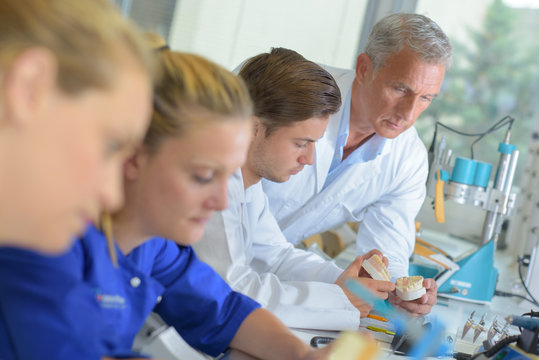
In an era where sustainability is not just a buzzword but a global mandate, industries across the spectrum are reevaluating their practices. California’s corporate landscape is characterized by a unique fervor for green initiatives, and it is at the forefront of the movement towards sustainability in dentistry. A sector often associated with waste due to plastic consumption and chemical disposal, dentallab in California are rewriting the rules to reduce their environmental impact.
This blog will explore how these enterprises are making a significant environmental difference and how their practices can serve as a blueprint for the wider healthcare community. From recycling programs to eco-friendly materials, the Green Dental Laboratories of California are setting a high standard for environmental stewardship.
The Journey to Sustainability
The road to becoming sustainable is not an easy one, and it doesn’t happen overnight. It begins with a commitment — a promise from the leadership to prioritize the environment, even when it seems to conflict with traditional business practices. For dental laboratories in California, this has meant overhauling the production process, shifting to cleaner energy, focusing on waste management, and cultivating a culture of sustainability.
Shifting to Renewable Energy Sources
Renewable energy is a crucial component of any sustainable strategy. Dental labs in California are investing in solar panels and wind turbines to power their operations. By harnessing the power of the sun and wind, labs can reduce their dependence on fossil fuels, which emits harmful greenhouses gases that contribute to climate change.
Using Eco-Friendly Materials
Another key element of the Green Labs initiative is the adoption of eco-friendly materials. These are products that are non-toxic and biodegradable, minimizing the waste and reducing the environmental impact of dental procedures. For instance, bioceramic implants have emerged as a sustainable alternative to traditional options due to their biocompatibility and potential for reduced patient health risks.
Prioritizing Water Conservation
Water scarcity is a significant global issue, and California has faced its fair share of challenges in this area. Dental labs are implementing water-saving technologies, like low-flow faucets and computer-controlled irrigation systems. These measures not only reduce water usage within the lab but also encourage water-wise practices that can be replicated in clinical settings.
Waste Not, Want Not
The dental industry is often a significant contributor to medical waste. Instruments such as syringes, needles, and an assortment of non-biodegradable materials end up in landfills every day. California dental laboratories, in contrast, are leading the pack with innovative waste reduction practices.
Implementing In-Lab Recycling Programs
Dental laboratories have a unique opportunity to recycle a variety of materials, from metals to gypsum products. In-house recycling programs allow labs to significantly reduce their environmental impact by diverting waste from landfills. Many California labs also collaborate with external recycling facilities to ensure a comprehensive approach to waste management.
Zero-Waste Goals
Some dental labs in California have set ambitious targets to achieve zero waste. By rethinking their supply chain, they find new ways to eliminate waste generation entirely. This can involve everything from reusing packaging materials to implementing closed-loop systems for recycling materials used within the lab.
Sustainable Byproducts
Even waste can be a resource when viewed through the lens of sustainability. Some labs have found innovative ways to repurpose byproducts of dental processes. For example, dental labs repurpose cast-off gypsum molds, turning them into materials for urban paving or agricultural use.
Training for Tomorrow
Sustainability in dental laboratories is not only about implementing green technologies; it’s also about education and training. Staff must be equipped with the knowledge and skills to operate in an environmentally-responsible manner. California labs understand the importance of continuous learning and have programs in place to keep employees informed and engaged.
Staff Education on Sustainable Practices
Labs invest in regular training sessions to educate employees on sustainable best practices. This can include workshops on proper waste sorting, the importance of energy conservation, and the safe use of eco-friendly materials.
Encouraging an Environmentally-Conscious Mindset
It’s not just about following a checklist of sustainable tasks; it’s about cultivating an environment where being green is part of the ethos. Recognition programs, incentives, and regular communication about the lab’s sustainability goals help to keep environmentalism at the forefront of the lab’s culture.
Collaboration with Academic and Industry Experts
Partnerships with universities and research institutions keep labs on the cutting edge of sustainability in dentistry. These collaborations lead to new insights and advancements that benefit both the lab and the wider community.
Impact on the Bottom Line
Sustainability in dental laboratories is not just about being green but also about sound business practices. Going green can actually save labs money in the long run, as efficiency and profitability often go hand in hand with sustainable operations.
Reduced Energy Costs
Investing in energy-efficient technologies like LED lighting or upgrading to a more efficient HVAC system can lead to significant savings on energy bills.
Incentives and Financial Support
Many California dental labs can take advantage of government incentives and financial support programs that are designed to help businesses transition to more sustainable practices. These can include tax credits, rebates, and grants for eco-friendly initiatives.
Brand Reputation and Patient Preference
Patients are increasingly seeking out healthcare providers that share their values, including a commitment to the environment. A sustainable reputation can lead to increased patient loyalty and attraction, bolstering the lab’s bottom line.
Best Practices for Sustainability
Looking ahead, the best practices for sustainability in dental laboratories must be shared and adopted within the industry and beyond. A collaborative approach is key to accelerating the green movement and making a significant collective impact.
Sharing Success Stories and Lessons Learned
By sharing success stories and lessons learned, California labs inspire and empower others to take action. Platforms like industry conferences, webinars, and publications allow labs to share their experiences and learn from one another.
Mentorship and Outreach
Established California labs can serve as mentors to help guide newer labs in their sustainability efforts. This kind of outreach creates a supportive ecosystem where knowledge and resources are freely exchanged.
Continuous Improvement
The work of sustainability is never truly finished. Labs must continually assess and improve their practices, always looking for new opportunities to reduce their environmental footprint.
The Future of Dental Laboratories in California
The shift to sustainability in dental laboratories is an exciting and necessary step in the evolution of the dental industry. With its unique commitment to environmental responsibility, California is leading the way toward a greener, cleaner future for dental health. The practices and initiatives adopted by these labs serve as a model for the healthcare community at large, demonstrating that quality care and a healthy planet are not mutually exclusive.
In conclusion, the efforts of California dental laboratories to become more sustainable are vital, and their dedication to protecting the environment is commendable. Their practices serve as a guiding light for the entire dental industry, showing that a commitment to sustainability can drive innovation, enhance trust with the community, and contribute to a healthier planet. As we move forward, the lessons learned from these labs can inspire similar actions worldwide, proving that a small shift in approach can lead to a giant leap for our global ecosystem.