Unlocking The Mystery: Why Do Axolotls Smile
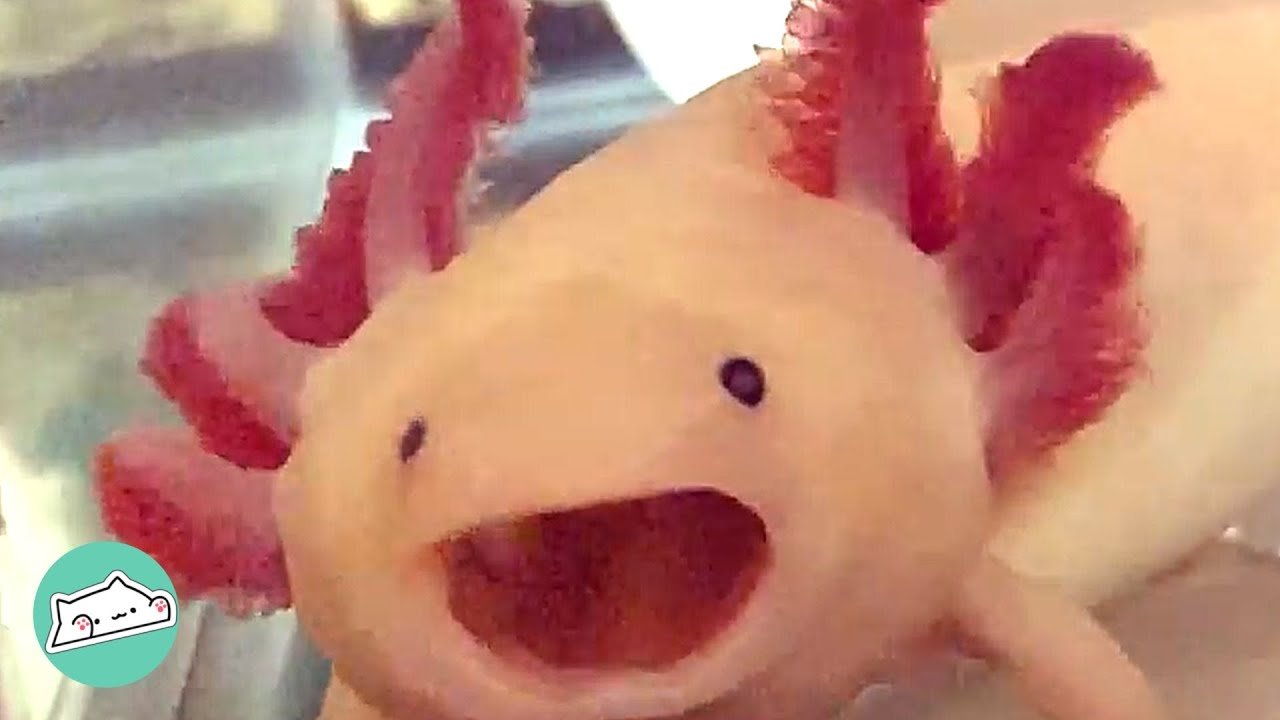
Axolotls smile to regulate stress and communicate. Their adorable grins have intrigued scientists and enthusiasts alike. Delving into the mystery of why do axolotls smile reveals fascinating insights into their behavior. Through observation and research, we uncover the reasons behind this endearing expression. Join us on a journey to unravel the enigmatic smile of these unique aquatic creatures.

Why Do Axolotls Smile
The Mysterious Smiles of Axolotls
Have you ever wondered why axolotls, those adorable aquatic creatures, seem to be smiling all the time? Let’s delve into the fascinating world of axolotls and uncover the secrets behind their enigmatic smiles.
An Introduction to Axolotls
Axolotls are unique amphibians native to Mexico, known for their regenerative abilities and cute appearance. These creatures have become popular pets due to their friendly demeanor and intriguing physical features, including their perpetually smiling faces.
The Anatomy of an Axolotl Smile
When you look at an axolotl, it’s hard to miss the smile-like shape of their mouths. But are they really smiling? The truth is, the curvature of an axolotl’s mouth is not a result of their emotions but rather a distinctive feature of their anatomy.
The Function of an Axolotl’s Smile
While axolotls may appear to be smiling, their mouth shape serves a practical purpose. The slightly upturned corners of their mouths help them capture prey more efficiently, allowing them to suck in their food with precision.
Smiling Through Evolution
Over millions of years, axolotls have evolved to develop a smile-like mouth shape that aids in their survival. This adaptation is a product of natural selection, where individuals with traits that improve their chances of survival are more likely to pass on their genes to the next generation.
The Social Behavior of Axolotls
Axolotls are social creatures that exhibit intriguing behaviors, such as tail-wagging and playful interactions with their tank mates. While their smiles may not convey emotions in the same way as humans do, they play a role in communication within their species.
The Myth of Axolotl Emotions
It’s important to remember that while axolotls may look like they are smiling, they do not experience emotions in the same way humans do. Their facial expressions are a product of their anatomy and behavior rather than a reflection of their feelings.
While the smiles of axolotls may capture our hearts and spark our curiosity, it’s essential to understand the scientific reasons behind this phenomenon. Axolotls’ smiles are a testament to the wonders of nature and the incredible adaptations that allow these creatures to thrive in their aquatic habitats.
Why Do Axolotls Smile?
Frequently Asked Questions
Why do axolotls appear to smile?
Axolotls have a unique facial structure that gives them a smiling appearance. This is mainly due to their mouth shape and the positioning of their eyes, which create a phenomenon commonly interpreted as a smile by humans.
What is the purpose of an axolotl’s “smile”?
The “smile” on an axolotl’s face does not serve any specific purpose related to emotions or expressions like in humans. It is a natural feature of their anatomy and does not indicate happiness or other feelings.
Do axolotls actually smile as a form of communication?
Axolotls do not smile as a form of communication. They primarily rely on other types of body language, such as movement and color changes, along with chemical signals, to communicate with other axolotls and perceive their surroundings.
Can the smile on an axolotl’s face change or disappear?
The smile-like appearance on an axolotl’s face remains constant as it is a structural characteristic. It does not change or disappear based on the axolotl’s mood or external factors.
Final Thoughts
Axolotls smile due to their unique facial structure, not as a sign of emotion. Their upturned mouths give the appearance of a smile, enhancing their cute and endearing appeal. Understanding the anatomy behind this expression sheds light on their fascinating features. So, next time you see an axolotl “smiling,” remember it’s all in their genetics.