Miso Soup: A Comforting Bowl for Every Season
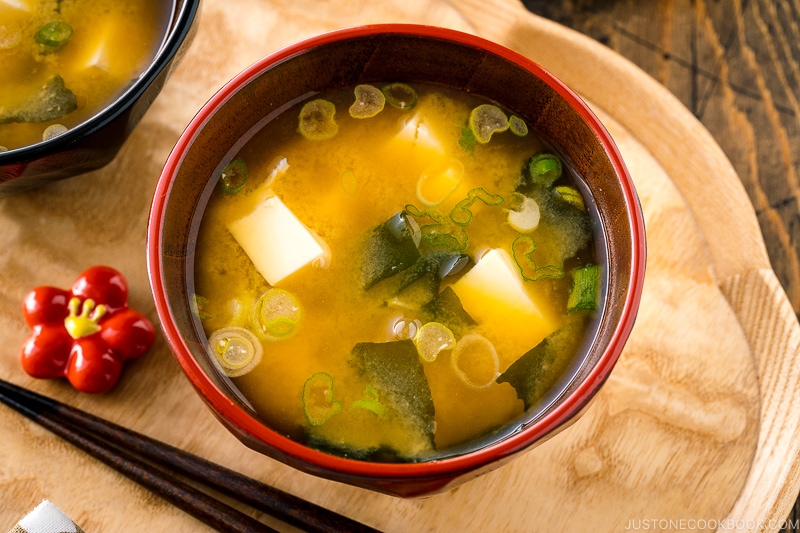
Miso soup is one of Japan’s most beloved dishes, cherished for its warmth, simplicity, and nourishing qualities. While it is often enjoyed as part of a traditional Japanese breakfast or alongside rice at dinner, miso soup is also a versatile dish that adapts beautifully to every season. Whether on a cold winter night or a breezy summer day, miso soup offers comfort and balance in every bowl.
The Timeless Appeal of Miso Soup
At its core, miso soup consists of three essential elements: miso paste, dashi broth, and fresh ingredients like tofu, seaweed, and scallions. The combination creates a savory umami flavor that feels both grounding and restorative. Much like chicken soup in Western households, miso soup recipe carries emotional value—it is often considered a symbol of home and comfort for Japanese families.
Spring: Fresh and Green
In spring, miso soup often features fresh vegetables that reflect the season’s renewal.
-
Spinach, bamboo shoots, and spring onions bring brightness.
-
White miso, which has a mild and slightly sweet flavor, is often preferred during this time.
The light taste mirrors the freshness of spring air, making the soup feel refreshing yet satisfying.
Summer: Light and Energizing
While soup may sound unusual for hot weather, miso soup in summer is kept light and energizing.
-
Ingredients such as chilled tofu, okra, and eggplant are popular.
-
A smaller serving is often paired with cold rice dishes.
This version acts almost like a gentle pick-me-up, replenishing minerals lost during humid days.
Autumn: Earthy and Rich
As the weather cools, autumn miso soups become heartier and more grounding.
-
Mushrooms like shiitake or maitake add an earthy aroma.
-
Root vegetables such as carrots and daikon radish deepen the flavor.
-
Blended miso (awase miso) is often used to balance both mild and strong tastes.
These ingredients make the soup as cozy as a warm blanket, perfect for shorter days and cooler nights.
Winter: Hearty and Comforting
In the cold of winter, miso soup becomes richer and more robust.
-
Red miso, with its bold and salty flavor, is often the base.
-
Ingredients like pork slices, potatoes, and cabbage turn the soup into a hearty meal.
This warming bowl provides both comfort and energy, making it a winter essential.
The Universal Comfort of Miso Soup
No matter the season, miso soup adapts effortlessly to what the body craves. Its versatility allows it to be light and refreshing or hearty and filling. Beyond its taste, miso soup delivers probiotics, minerals, and plant-based proteins, making it a dish that supports both body and spirit year-round.
Conclusion
Miso soup is more than a traditional Japanese dish—it is a timeless companion that fits every season. From the freshness of spring to the warmth of winter, each bowl offers nourishment and comfort in its own way. For those who want to explore more about seasonal cooking, recipes, and global food culture, Yeema News is an excellent resource for the latest culinary updates and inspirations.