Travertine Stone in Construction: Benefits for Sustainable Building
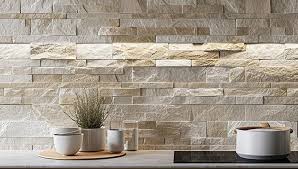
Travertine is a natural stone that has been prized for centuries for its beauty, durability, and versatility. Its unique texture, range of colors, and natural patterns make it a preferred material in both interior and exterior construction projects. Beyond its aesthetic appeal, travertine offers numerous benefits that align with sustainable building practices, making it an excellent choice for eco-conscious construction. Understanding Travertine stone benefits can help architects, builders, and homeowners make informed decisions when selecting materials for environmentally responsible projects.
Durability and Longevity
One of the key advantages of travertine in construction is its exceptional durability. Unlike many synthetic materials, travertine is naturally resilient, capable of withstanding heavy foot traffic, weather fluctuations, and the test of time. This long lifespan reduces the need for frequent replacements, which in turn lowers the consumption of resources and energy associated with manufacturing and transporting new building materials. Choosing travertine contributes to sustainability by promoting structures that last for decades without significant wear or degradation.
Energy Efficiency and Thermal Performance
Travertine has natural insulating properties that help maintain comfortable indoor temperatures. When used for flooring, walls, or exterior facades, it can contribute to energy efficiency by regulating heat transfer. During hot weather, travertine remains cool underfoot, reducing the reliance on air conditioning. In colder climates, it retains warmth when paired with underfloor heating systems. These thermal properties can lead to lower energy consumption, reducing the building’s overall carbon footprint and promoting a more sustainable living environment.
Natural and Eco-Friendly Material
Travertine is a naturally occurring sedimentary stone, extracted with minimal processing compared to synthetic construction materials. Its production involves fewer chemicals, lower energy usage, and limited greenhouse gas emissions, making it an eco-friendly choice for sustainable construction. Additionally, travertine can often be sourced locally, depending on the region, reducing transportation-related emissions. Its natural composition also means it does not emit harmful volatile organic compounds (VOCs), contributing to healthier indoor air quality.
Versatility in Design
The adaptability of travertine allows architects and designers to incorporate it into various construction elements, from flooring and wall cladding to facades, countertops, and outdoor landscaping. Its timeless elegance complements both modern and traditional aesthetics, reducing the need for frequent design updates and renovations. By integrating a durable, versatile material like travertine, builders can create long-lasting spaces that remain stylish without additional resource-intensive modifications.
Low Maintenance and Cost Efficiency
Travertine requires relatively low maintenance compared to other construction materials. Regular cleaning, occasional sealing, and preventive care are usually sufficient to maintain its appearance and performance over time. This minimal maintenance reduces the use of harsh chemicals and other resources, contributing to environmental sustainability. Moreover, the long-term cost efficiency of travertine, combined with its durability, makes it a practical choice for both residential and commercial projects seeking sustainable solutions.
Contribution to Green Building Certifications
Incorporating travertine into construction projects can support green building certifications such as LEED or BREEAM. Its natural origin, durability, thermal properties, and low environmental impact align with the criteria for sustainable building practices. Using travertine strategically can help projects earn points for materials selection, energy efficiency, and indoor environmental quality, reinforcing the commitment to eco-friendly construction.
Conclusion
Travertine is more than an aesthetically appealing stone; it is a sustainable construction material that offers durability, energy efficiency, and low environmental impact. Its versatility in design, combined with ease of maintenance and long lifespan, makes it a valuable choice for modern eco-conscious buildings. By selecting travertine for flooring, walls, facades, and other structural elements, builders and homeowners can create beautiful, sustainable spaces that stand the test of time while supporting environmentally responsible construction practices. The natural elegance and ecological benefits of travertine make it an enduring choice for sustainable building projects.