Educational Ecosystems and Family Routines: Assessing School Proximity in Singapore’s Central and Northern Precincts
For households with children, finding the right property in Singapore goes far beyond analyzing floor plans and transit connectivity. The proximity to established educational institutions fundamentally shapes a family’s daily routine, influencing everything from morning commutes to afternoon extracurricular logistics. When comparing centrally located residences with master-planned northern communities, parents must carefully consider how the local educational ecosystem aligns with their children’s long-term developmental needs. Understanding the distribution of primary, secondary, and international schools across these differing environments is crucial for securing a home that truly supports a growing family through various stages of life.
Central-Fringe Educational Options and Urban Family Dynamics
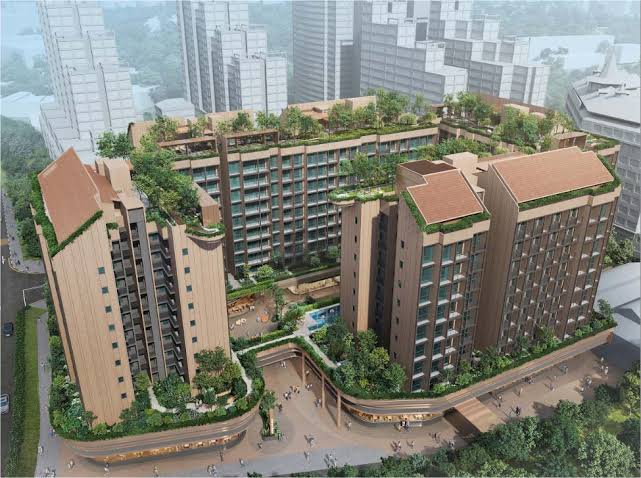
Living near the city center provides unique advantages for families navigating the local and international schooling systems. Neighborhoods situated on the fringes of the downtown core often feature a rich blend of historic local institutions and easily accessible international campuses. For example, residential enclaves positioned within the Farrer Park district, such as Dorset Gardens, offer proximity to established schools while keeping working parents extremely close to central commercial hubs.
The primary advantage of an urban-fringe address lies in the sheer efficiency of the morning routine. Parents working in the central business district can coordinate school drop-offs and their own commutes without facing the prolonged cross-island traffic typical of peak hours. Furthermore, these central neighborhoods are heavily saturated with premium enrichment centers, specialized tuition hubs, and private arts academies. Families living in these high-connectivity zones can easily access specialized educational resources in nearby districts, ensuring that children have immediate access to high-quality academic support just a few train stops away.
Northern Regional Educational Hubs and Master-Planned Schooling
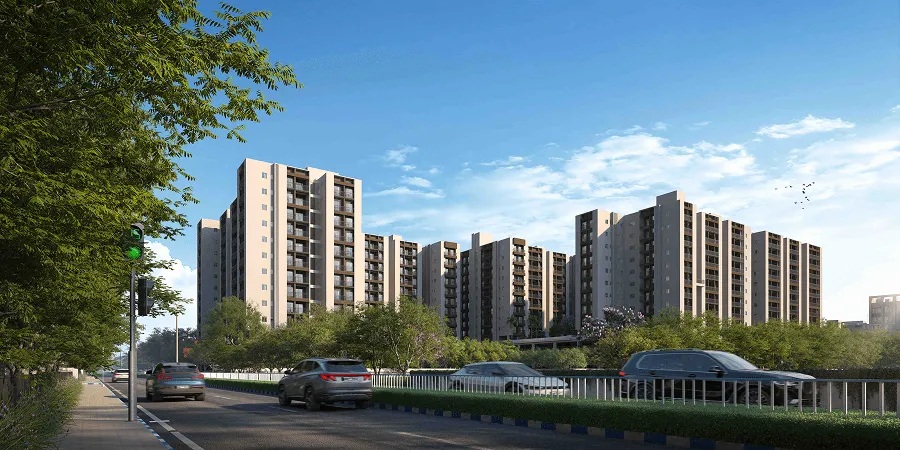
Venturing toward the northern sectors reveals a decidedly different approach to community planning, where educational infrastructure is deeply integrated into expansive residential estates. Master-planned regional centers are explicitly designed with family life as a foundational pillar, ensuring a high density of schooling options at every academic level. Developments emerging in these northern corridors, such as Clovelle of Woodlands, tap into a mature network of institutions ranging from renowned neighborhood primary schools to specialized secondary academies.
The northern districts boast massive educational footprints, accommodating large-scale institutions like the Singapore Sports School and major international campuses alongside a diverse array of public primary and secondary schools. The thoughtful urban planning in these regional hubs means that students often benefit from extensive networks of sheltered walkways and dedicated cycling paths connecting residential blocks directly to school gates. This localized infrastructure fosters a sense of independence, allowing older children to walk or cycle safely to school. Additionally, the sheer amount of land available in the north allows schools to feature expansive fields, comprehensive sporting facilities, and larger campus environments compared to land-scarce central locations.
Balancing Extracurricular Activities and Weekend Routines
Beyond standard academic hours, a neighborhood’s broader infrastructure heavily dictates how a family manages after-school activities and weekend recreation. In central-fringe locations, children benefit from rapid transit access to national museums, central libraries, and premier cultural institutions. The unparalleled MRT connectivity allows teenagers to navigate independently between school, central enrichment classes, and home without constantly relying on private vehicular transport.
Conversely, northern regional hubs excel at providing community-centric extracurricular environments. Massive regional libraries, integrated community clubs, and sprawling neighborhood parks create a localized ecosystem where children can engage in sports, swimming lessons, and community service just minutes from their doorstep. The abundance of open green spaces and interconnected park connectors encourages outdoor recreation and active family weekends without the need to travel across the island. This self-contained environment minimizes transit fatigue and allows families to spend more of their weekend actually enjoying activities together.
Spatial Planning for Academic Success
The physical environment within the home also plays an essential role in supporting a child’s educational journey. When evaluating properties in either zone, parents must look beyond neighborhood amenities and consider how the internal apartment layout facilitates focused study. Urban compact units in central districts often require creative spatial management to carve out dedicated study nooks, prioritizing quiet zones away from the main living and dining areas.
In contrast, the more generous floor plans typically found in regional northern developments frequently offer enough physical space to configure dedicated study rooms or expansive shared workstations for multiple children. This spatial flexibility ensures that as children transition into higher education and face increased academic demands, they have the necessary quiet environment to concentrate without disruption.
Making a Confident Choice for the Future
Selecting a residential location based on educational needs requires balancing short-term logistical convenience with long-term academic goals. Families who prioritize rapid access to the downtown core alongside a dense concentration of specialized enrichment centers will find central-adjacent neighborhoods highly practical. Meanwhile, parents who value an integrated community environment, safe walking routes to neighborhood primary schools, and expansive outdoor recreational facilities will discover substantial value in northern master-planned precincts. By aligning their property selection with their children’s educational trajectory, homeowners can create a stable, supportive foundation that benefits the entire household for years to come.