Rubber: A Versatile Industrial Material Powering Global Manufacturing and Recycling Systems

What is rubber and why is it such an important industrial material?
Rubber is a highly elastic material that can be either natural or synthetic, widely used across industries due to its flexibility, durability, and resistance to wear. It plays a critical role in manufacturing products that require shock absorption, sealing, insulation, and mechanical strength.
Statistical industry insights show that rubber demand continues to grow steadily due to its essential role in automotive, construction, healthcare, and consumer goods sectors. Its unique physical properties make it indispensable in both everyday products and advanced engineering applications.
What are the main types of rubber used in industrial applications?
Rubber is broadly classified into natural rubber and synthetic rubber. Natural rubber is derived from latex obtained from rubber trees and is known for its high elasticity and tensile strength.
Synthetic rubber, on the other hand, is manufactured using petroleum-based chemicals and is designed to meet specific performance requirements. Common types include styrene-butadiene rubber, nitrile rubber, and ethylene propylene rubber.
Each type offers different advantages, allowing industries to select materials based on durability, temperature resistance, and chemical compatibility.
Where is rubber commonly used in everyday life and industries?
Rubber is used in a wide range of applications due to its adaptability. In everyday life, it is found in tires, footwear, gloves, seals, and household items.
In industrial sectors, rubber is essential for conveyor belts, hoses, gaskets, vibration dampers, and automotive components. It is also widely used in medical equipment due to its flexibility and hygienic properties.
This extensive usage highlights rubber’s importance as a foundational material in modern manufacturing systems.
What makes rubber such a unique and high-performance material?
Rubber is valued for its elasticity, which allows it to stretch and return to its original shape without permanent deformation. This property makes it ideal for applications requiring flexibility and shock absorption.
It also offers resistance to abrasion, water, and certain chemicals, depending on its formulation. These characteristics allow rubber to perform reliably in demanding environments, including extreme temperatures and mechanical stress conditions.
How is rubber produced and processed for industrial use?
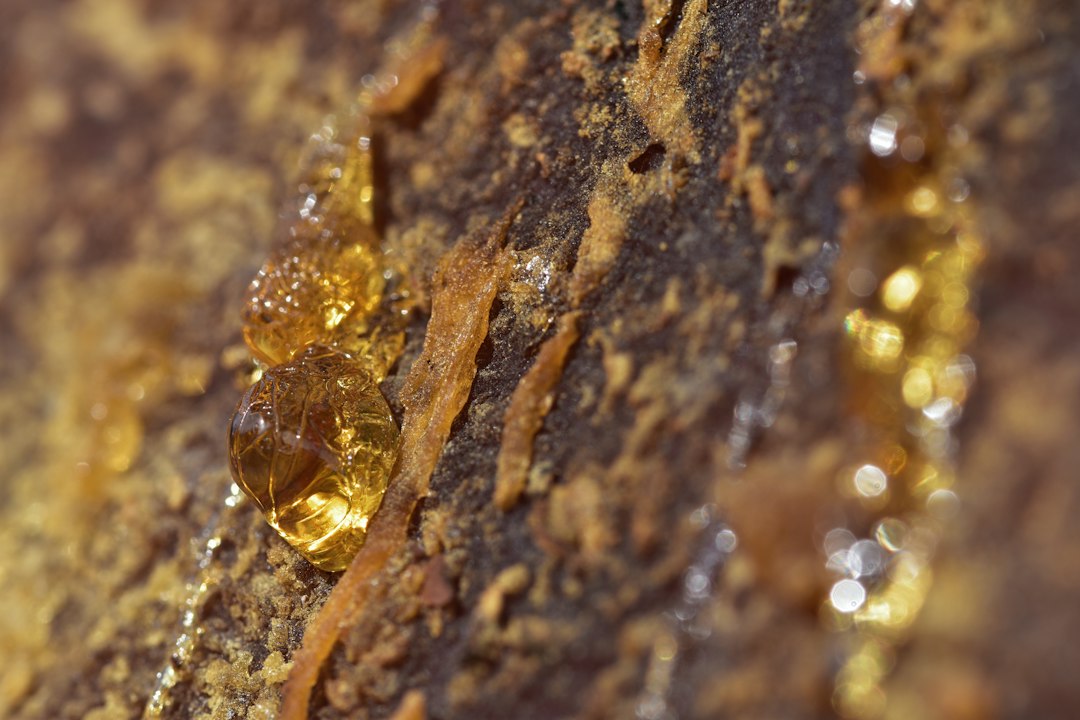
Natural rubber is harvested from latex-producing trees, where the latex is collected and processed into usable sheets or blocks. Synthetic rubber is produced through chemical polymerization processes that create controlled molecular structures.
After production, rubber is processed into various forms such as sheets, molded components, or granules depending on its intended application. This adaptability ensures it can meet diverse industrial requirements.
How does rubber recycling contribute to sustainability?
Rubber recycling plays a significant role in reducing environmental impact by reusing materials that would otherwise contribute to long-term waste. Used rubber products, especially tires, are collected and processed into reusable materials.
These recycled outputs can be transformed into flooring materials, road surfaces, industrial mats, and molded goods. Recycling rubber reduces landfill accumulation and supports more efficient resource utilization.
What are the environmental benefits of recycling rubber?
Recycling rubber helps conserve natural resources by reducing the need for new raw material production. It also minimizes energy consumption compared to manufacturing virgin rubber products.
Additionally, recycling reduces environmental pollution caused by discarded rubber items, particularly tires, which can take a long time to decompose. This contributes to cleaner ecosystems and improved waste management practices.
What challenges are associated with rubber recycling and how are they improving?
Rubber recycling can be complex due to its durable and elastic nature, which makes processing more challenging than other materials. Separation and breakdown of rubber components require specialized equipment and techniques.
However, advancements in recycling technology, including improved shredding and devulcanization methods, are enhancing efficiency and material recovery rates. These innovations are making rubber recycling more scalable and effective.
What role does rubber play in the circular economy?
Rubber supports circular economy principles by enabling repeated use of materials through recycling and repurposing. Instead of being discarded after use, rubber products can be processed and reintegrated into manufacturing systems.
This reduces dependency on virgin materials and promotes sustainable production cycles. Industries are increasingly adopting recycled rubber to support environmental goals and resource efficiency.
What is the future outlook for rubber in global industries?
The future of rubber remains strong due to its essential role in multiple industries and increasing focus on sustainability. Demand for both natural and synthetic rubber is expected to grow alongside industrial development.
At the same time, advancements in recycling technologies and sustainable sourcing practices are improving the environmental profile of rubber production and usage. This positions rubber as a key material in future manufacturing systems.
Conclusion
Rubber is a highly versatile and essential material that supports a wide range of industrial and everyday applications. Its unique properties, combined with growing recycling capabilities, make it a valuable resource in modern manufacturing. With continued innovation and sustainable practices, rubber will remain a foundational material contributing to both industrial progress and environmental responsibility.